Diet & Gut Microbiome Article Gut-Friendly Foods
Gut-Friendly Foods
What Helps—and What Hurts—Your Gut Microbes
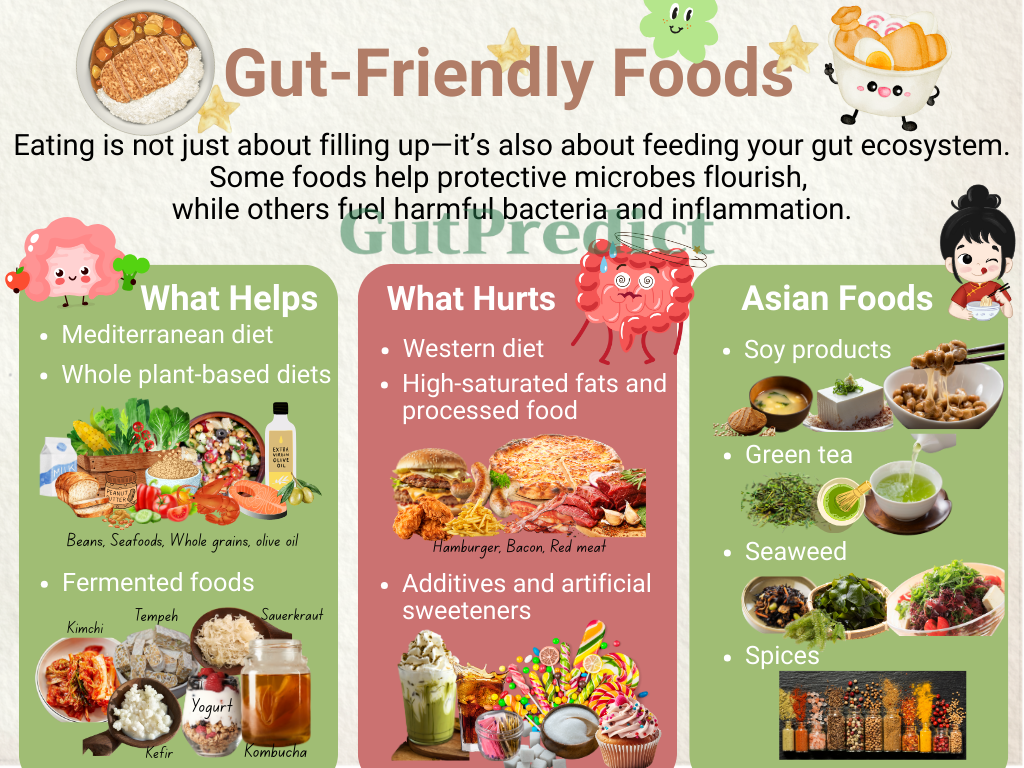
Eating isn’t just about filling up—it’s about feeding your gut ecosystem. Some foods nurture helpful microbes and protect against chronic diseases, while others fuel harmful bacteria and inflammation.
✓ What Helps
- Mediterranean-style diet: Vegetables, legumes, whole grains, olive oil, and fish promote beneficial microbes linked to better metabolism and even improved cognition through gut–brain signaling [1], [2]
- Legume-rich meals: Beans, chickpeas, lentils, and soybeans consistently improve gut health and metabolic markers in pre-diabetic individuals [3]
- Whole plant-based diets: Fruits, vegetables, grains, nuts, and legumes feed bacteria that produce short-chain fatty acids (SCFAs) like butyrate, which protect against inflammation, T2DM, and cancer [4]
- Fermented foods: Yogurt, kefir, and sauerkraut add live Lactobacillus and Bifidobacterium, helping restore microbial balance.
⚠ What Hurts
- Low-fiber, processed diets: Ultra-processed foods, refined grains, and sugary snacks starve SCFA-producing bacteria and increase T2DM risk [5]
- High saturated fats and processed meats: These encourage harmful microbes that produce compounds such as TMAO, linked to heart disease.
- Dysbiosis-driving microbes: Overgrowth of Escherichia coli or Fusobacterium nucleatum can trigger chronic inflammation and increase colon cancer risk [6]
- Additives and artificial sweeteners: Emulsifiers, preservatives, and sweeteners in packaged foods can disrupt gut microbial balance.
Asian Foods and Traditions
Soy productsTofu, miso, natto, and tempeh provide protein and prebiotics. Isoflavones are converted by gut microbes into compounds with metabolic and hormonal benefits.
Green teaPolyphenols encourage Bifidobacterium and Lactobacillus while suppressing harmful Clostridium species.
SeaweedOffers unique fibers that feed specialized gut bacteria, enriching overall microbial diversity.
Fermented staplesKimchi, natto, and pickled vegetables deliver live probiotics and antioxidants that support gut health.
SpicesTurmeric and ginger have anti-inflammatory effects and may reshape microbial communities toward protective species.
Why This Matters to You
By combining universal gut-friendly patterns (Mediterranean or plant-based) with Asian staples like soy, green tea, seaweed, and fermented foods, you can cultivate a gut microbiome that protects health, supports metabolism, and even influences mood.
“Every bite you take is a vote for the microbes you want to keep.”
References
- Özsoy M, et al. (2022). Mediterranean diet and gut microbiota. Nutrients, PMC7822000.
- Tulane University. (2025). Mediterranean diet changes gut bacteria, boosting memory. Tulane News.
- Wu Y, et al. (2024). Legume-rich diet improves microbiome and metabolism. Nat Metab, 6:512–523.
- Appunni S, et al. (2019). Plant-based diets and gut microbiome in chronic disease. Front Nutr, 6:191.
- Sikalidis AK. (2020). Processed foods, gut microbiota, and T2DM risk. Biomedicines, 8:8.
- Yu J, et al. (2020). Dysbiosis, colorectal cancer, and harmful bacteria. Nat Rev Gastroenterol Hepatol, 17:505–520.